Can Artificial Intelligence Reduce Administrative Work in Hospitals?
Learn how AI can reduce hospital administrative work through appointment automation, patient management, documentation and smarter workflows.
Introduction
Yes, artificial intelligence (AI) can help reduce repetitive administrative work in hospitals by automating workflows such as appointment scheduling, patient registration, reminders, documentation, information organization and communication. Hospitals do not need to replace their employees with AI to benefit from the technology. Instead, AI can act as an additional technology layer that helps healthcare professionals complete repetitive processes more efficiently and spend more time on patient interactions and professional decision-making.
What Administrative Tasks Can AI Automate in Hospitals?
Hospitals perform numerous administrative activities every day, including appointment scheduling, patient registration, record maintenance, reminders, departmental coordination and documentation. AI-enabled software can automate or assist with many of these processes. For example, an AI system may retrieve appointment information, send automatic reminders or organize patient information for authorized employees. The exact capabilities depend on the software being used, but the overall objective is to reduce repetitive manual work and create more organized hospital workflows.
How Can AI Improve Appointment Scheduling?
Appointment management can consume a significant amount of hospital staff time. AI-enabled systems can help with appointment booking, rescheduling, automated reminders and managing appointment availability. An AI patient management system in Bangalore can centralize appointment-related information within a single workflow, allowing hospital staff to manage routine scheduling activities more effectively. Automation becomes particularly valuable when healthcare organizations manage large numbers of appointments, cancellations, rescheduling requests and patient follow-ups.
Can AI Reduce Paperwork and Documentation?
Artificial intelligence can help reduce hospital paperwork by assisting with routine documentation and data-entry activities. For example, AI tools can extract relevant information from documents, classify information and prepare records for review. However, accuracy remains essential in healthcare documentation. AI-generated information must be appropriately reviewed, especially when it concerns patient treatment, billing or legally significant records. The objective of automation is to reduce repetitive documentation tasks while maintaining accuracy and professional oversight.
How Can AI Help Hospitals Manage Patient Information?
Hospitals create and maintain several types of information, including patient registration details, appointment records, medical information, billing records and follow-up information. An AI healthcare management platform in Bengaluru can help integrate these workflows and provide organized information for authorized users. This integration is particularly important because hospitals often use different software systems for electronic health records, laboratory management, billing and other operations. An effective AI platform should integrate with existing healthcare systems instead of creating another disconnected source of information.
How Can Hospital Management Software Improve Workflow Efficiency?
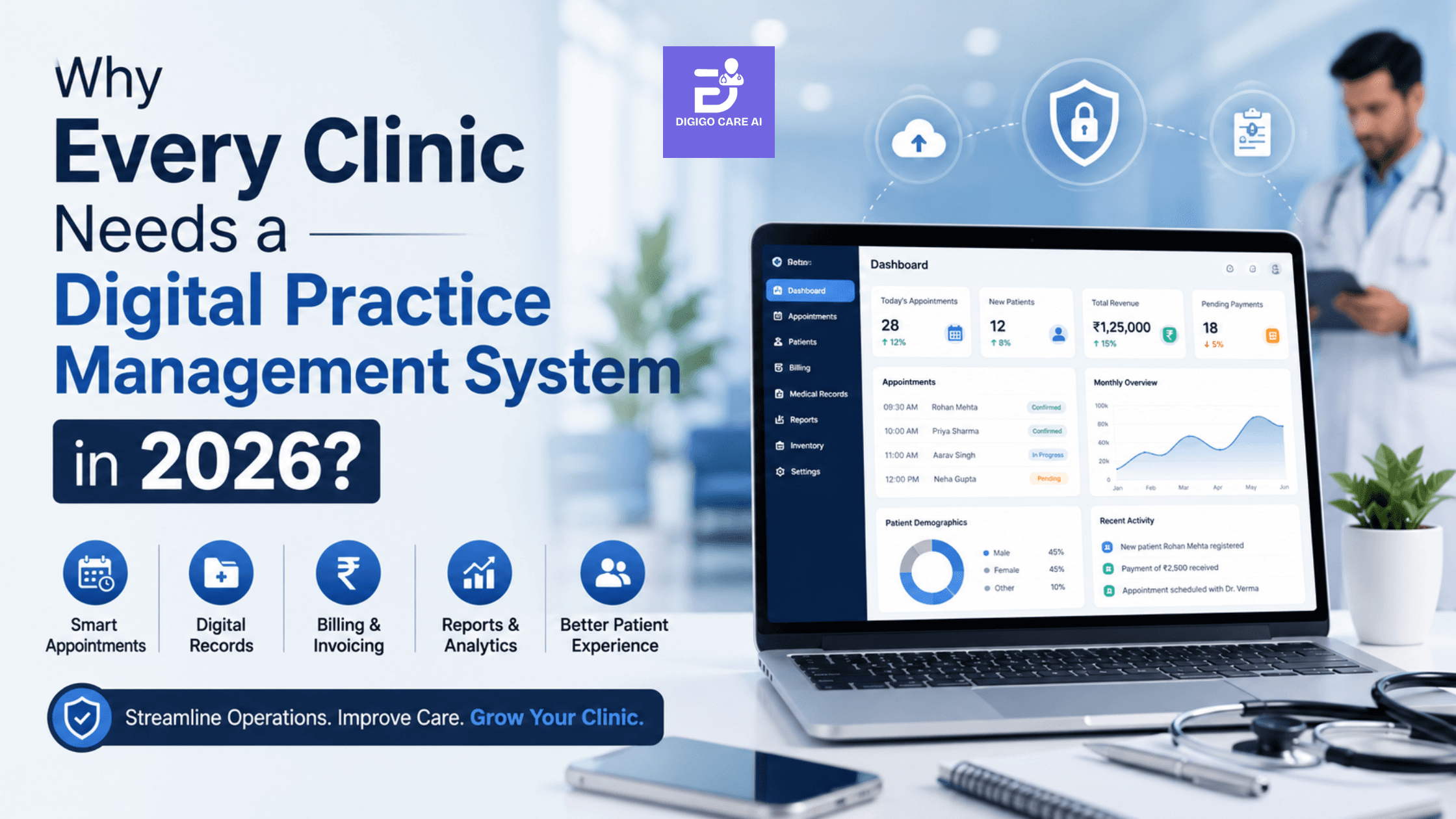
Modern hospital management software can organize administrative processes within a connected digital environment. For example, hospital management software in Marathahalli may support appointment management, patient registration, billing automation, staff coordination and digital record management, depending on the platform's capabilities. When automation is integrated into these workflows, hospital employees can spend less time completing repetitive administrative tasks and more time communicating, coordinating and making important decisions.
Can AI Improve Patient Communication?
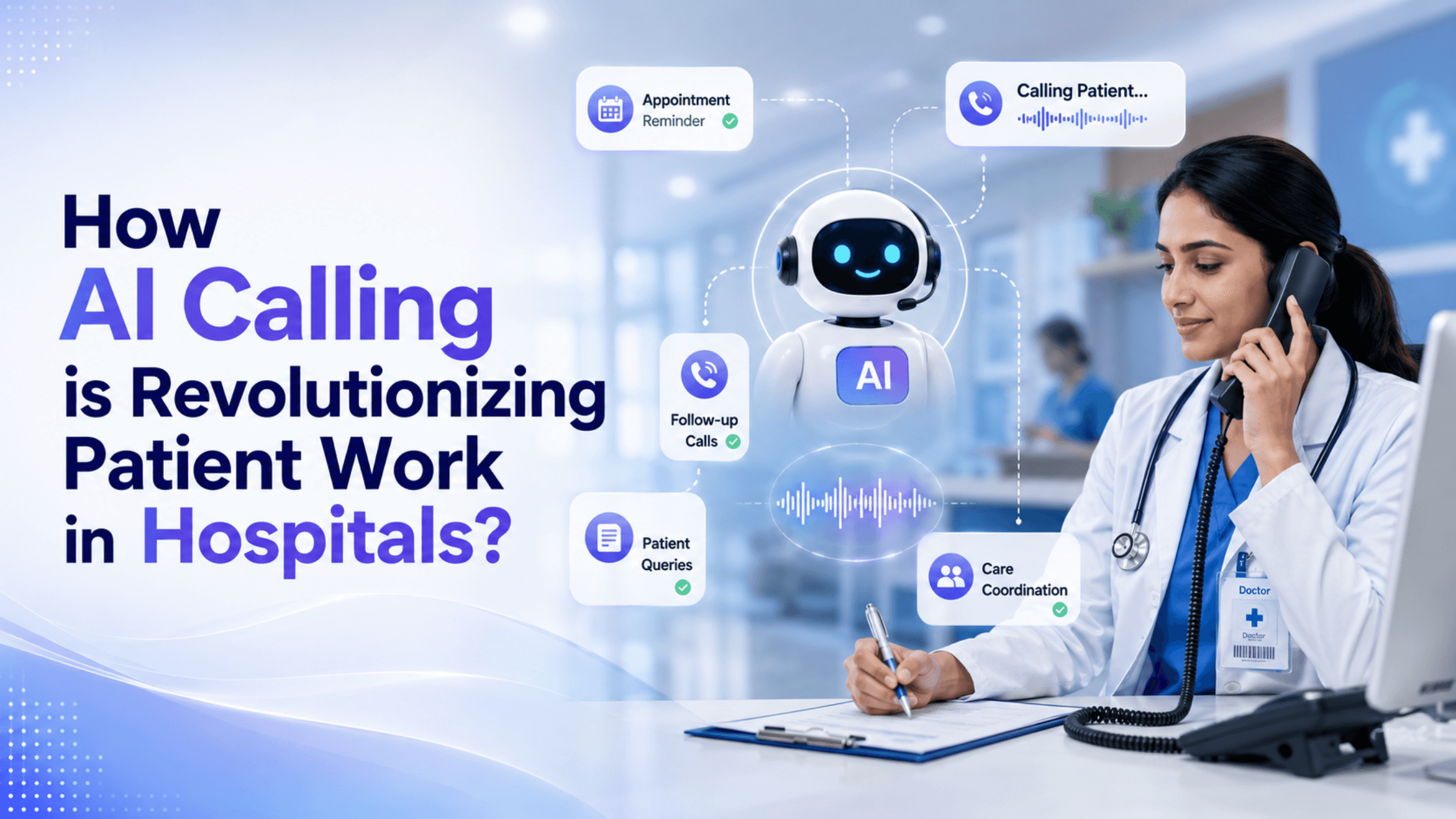
AI and automation can help hospitals manage routine patient communication more efficiently. Patients can receive appointment reminders, follow-up notifications and information about upcoming services without hospital staff manually sending every message. Automated communication can help create a more consistent process and reduce administrative workload. However, messages containing private patient information must follow appropriate privacy, consent and data-protection requirements.
How Does AI Help Reduce Repetitive Work for Hospital Staff?
One of the main advantages of administrative AI is its ability to perform suitable repetitive tasks efficiently and at scale. Examples of AI-supported administrative activities include: • Appointment reminders • Patient registration • Data management • Appointment scheduling • Follow-up notifications • Administrative reporting • Document processing • Workflow optimization • General patient communication Smart clinic management software in Bangalore can bring many of these activities together within a single workflow, depending on the system's features.
Is AI Useful Only for Large Hospitals?
No. AI-powered administrative tools can also benefit smaller clinics, specialty centers and growing healthcare practices. A smaller clinic may use AI to manage appointments, reminders, patient records and routine communication. Larger hospitals may require more complex integrations across departments, healthcare applications and administrative processes. Therefore, organizations should select AI clinic management software in Bangalore according to their size, existing infrastructure and operational requirements.
How Can AI and Digital Marketing Work Together for Healthcare Organizations?
Efficient administrative management is only one aspect of digital transformation in healthcare. Hospitals and clinics also need to improve the online visibility of their services. A healthcare digital marketing agency in Bangalore can help healthcare organizations increase visibility through search engine optimization, local SEO and content marketing. AI can assist with data analysis, identifying patterns and supporting content research. However, healthcare professionals and organizations remain responsible for ensuring that published medical and healthcare information is accurate and appropriate.
What Should Hospitals Consider Before Adopting AI?
Hospitals should evaluate AI solutions according to their practical requirements rather than adopting technology simply because it includes artificial intelligence. Important considerations include: • Data security and privacy • Compatibility with existing healthcare systems • Ease of use for hospital staff • Accuracy and reliability • Human oversight and control • Scalability • User access management • Technical support Healthcare organizations should also establish procedures for reviewing AI-generated information and deciding which activities can be safely automated.
Can AI Completely Replace Hospital Administrative Staff?
AI is better understood as a supporting and automating technology rather than a complete replacement for hospital administrative personnel. Human staff remain important for patient communication, handling exceptional situations, coordinating departments, making decisions and resolving issues that require judgment and empathy. AI can handle suitable repetitive operations while employees supervise automated processes and focus on responsibilities that require human involvement. This approach allows hospitals to benefit from automation while maintaining appropriate human oversight.
How Can Healthcare Organizations Choose the Right AI Solution?
Healthcare organizations should begin by identifying which administrative activities consume the most staff time. Once these activities have been identified, hospitals and clinics can determine which processes can be automated without creating unnecessary risks. For example, a smaller clinic might initially automate appointment reminders and patient follow-ups, while a larger hospital may require more sophisticated solutions that integrate multiple systems. A suitable AI solution should address specific operational challenges, provide necessary security controls and scale alongside the healthcare organization.
How Can AI Transform Hospital Administration in the Future?
Artificial intelligence can reduce administrative work in hospitals, particularly when tasks are repetitive and structured. AI can assist with appointment management, patient communication, information organization and documentation, allowing healthcare professionals to concentrate more on responsibilities requiring human interaction and professional judgment. Future developments are expected to involve closer integration between AI technologies, electronic medical records, hospital management systems and other healthcare software. The effectiveness of these developments will depend on responsible implementation, appropriate integration and continued human supervision.
Conclusion
Artificial intelligence can become an important component of modern hospital management by reducing routine administrative work and helping healthcare professionals organize their responsibilities. From appointment scheduling and patient reminders to documentation and information management, AI offers several opportunities to improve administrative processes. However, successful implementation requires more than purchasing AI software. Hospitals must first identify which workflows need improvement, evaluate security requirements and establish appropriate supervision procedures. By choosing solutions that address practical needs, healthcare organizations can improve administrative efficiency while maintaining human involvement and responsible management.
Frequently Asked Questions

Ready to grow your clinic or hospital?
Digitize and streamline operations with an all-in-one, AI-powered platform built for Indian healthcare.